Discover how artists use play to create art. An exhibition for children aged 6 to 12.
Playing in the museum
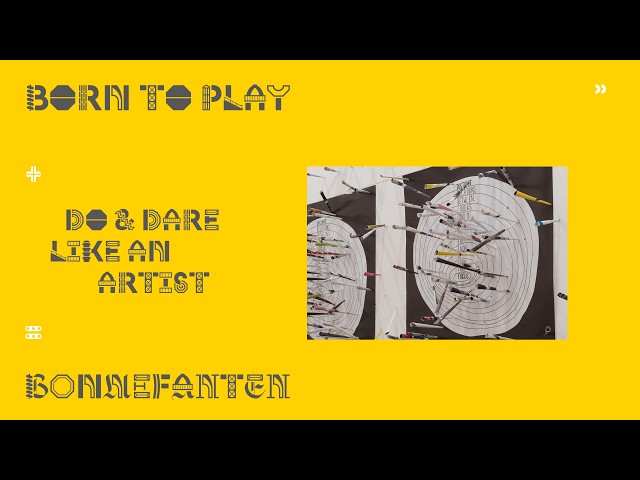
We’ve been playing ever since we were born. Alone or together. Outdoors or indoors, with objects, using our bodies, or with a computer, for example. Playing helps us discover how the world works. Being an artist is, in fact, one big game.
In Born to Play, you’re encouraged to both look and get involved. The colourful play trail on the floor leads you past artworks and activities. Make rubbings of the relief on objects such as a number plate, feel the materials in the sensory boxes, step into someone else’s shoes by dressing up, play with light in the shadow theatre, help build an endless jigsaw puzzle or play a game. We have specially developed this exhibition with and for children aged 6 to 12.
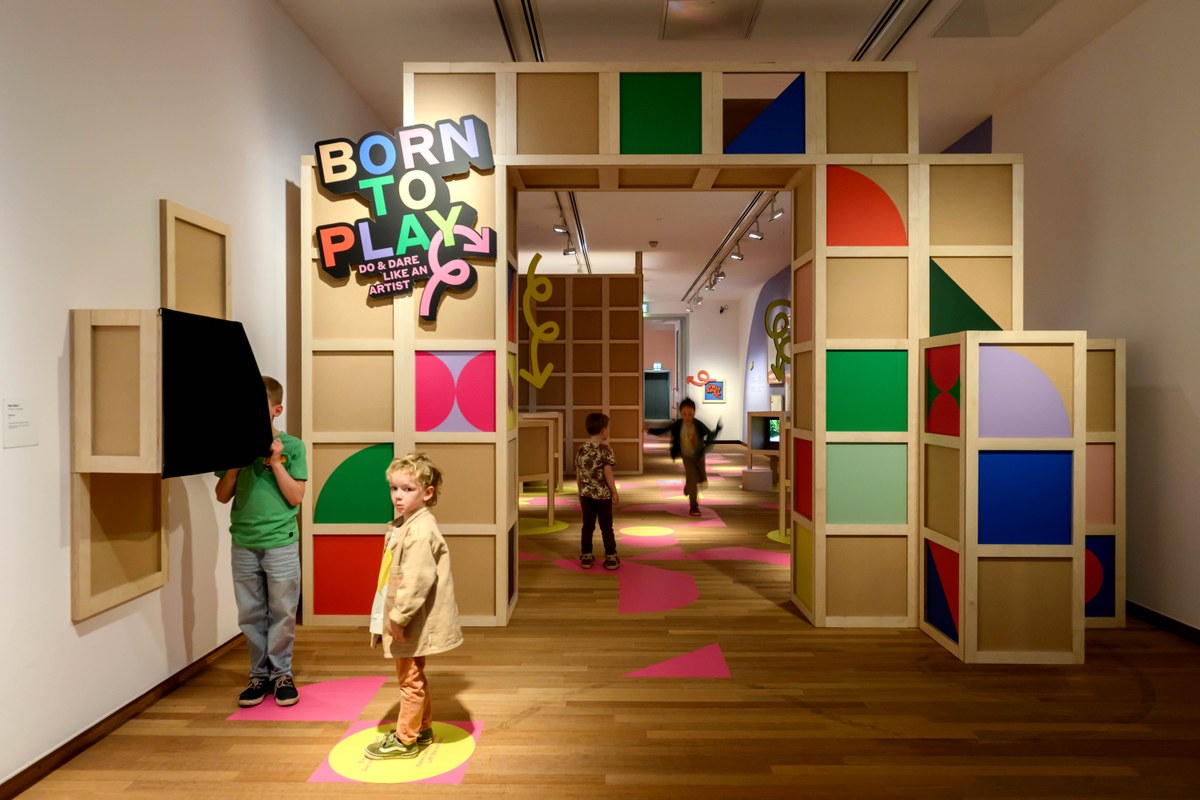
photo by Mike Bink
Four themes
We invite you not only to look but also to play! Anyone walking into the exhibition will see a colourful play trail on the floor. The trail guides you through four themes:
- breaking rules
- free play
- dress up
- pixel fun
Breaking rules
The first part of the exhibition features works by artists who break rules. Roman Signer and Navid Nuur’s art isn’t like any art we’re familiar with, such as a painting. Roman makes objects fly or explode that aren’t meant to do so, such as a kayak or a table. Navid throws darts at his art. You are also invited to do something you wouldn’t normally do: throw darts at Navid’s artwork. By breaking rules, these artists show that new ideas come about when you’re not afraid to turn things upside down.
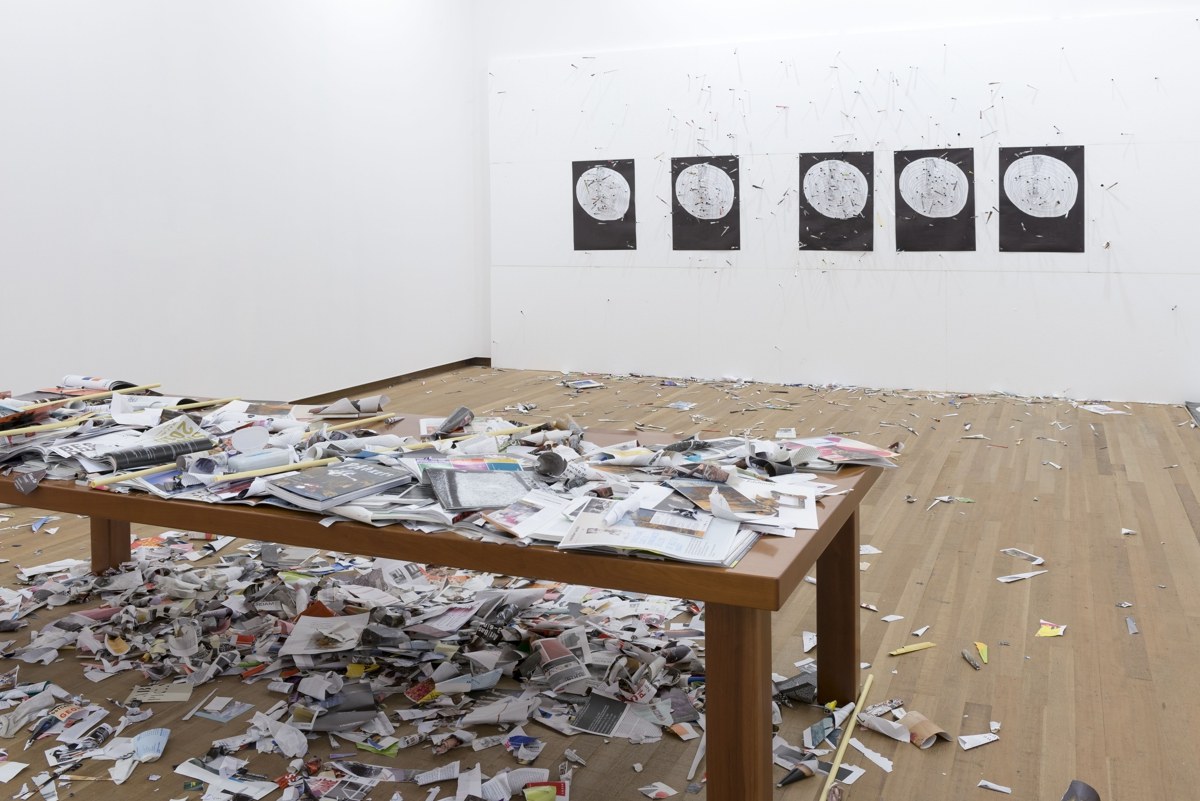
Navid Nuur, ‘Untitled’ (Distant relations between lovers could fail due to a lack of your true focus), 1986–2026, mixed media, dimensions variable. Bonnefanten Collection
Free play
The second part of the exhibition shows works by artists who apply free play, using objects from home, the street, or their own bodies. When you take a playful look at objects, something special happens. Ine Schröder uses string, wire, wood, strips of paper and fabric to create new shapes. There are also photos by melanie bonajo, in which she poses people in uncomfortable positions, wearing everyday things. You will also encounter these items on the rubbing table, where you have the chance to make your own art. Just cover an object with paper and colour over it using a pencil, creating an artistic relief on the paper.
Dress up
Becoming someone else is also a type of play. This is known as ‘acting’; using clothing, costumes and a set, you can put yourself in someone else’s shoes for a little while. Artists Ferdinand Erfmann and James Ensor painted masks and scenes from onstage and behind the curtain. Anouk Kruithof makes videos of people dressed as plants, showing how humans and plants might one day merge and live together more harmoniously.
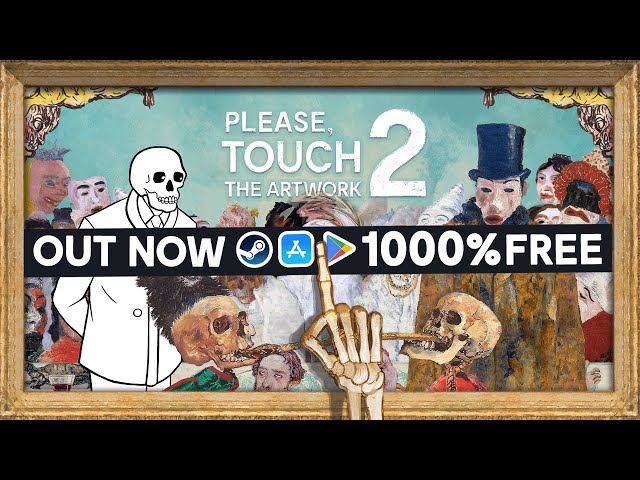
Large mirrors, lots of lights and costumes. This part of the exhibition gives you the feeling you are about to go on stage. You can also dress up here, giving you the brief chance to stand in the shoes of the people you see in the artworks. You can even play Thomas Waterzooi’s game, Please Touch the Artwork 2. See what that looks like below.
Pixel fun
Not all art is made using paint and a brush. Some artists work with computers. Peter Struycken and Hussein Shikha use pixels to create art. These small, coloured squares are what make up an image. Want to try your hand at playing with pixels? Create your own pixelated work on the kaleidoscopic table.
Who is Born to Play for?
The exhibition has been specially developed with and for children aged 6 to 12. Bonnefanten worked with children from Het Brede Spoor, Het Kinderatelier and De Vlinderboom primary school as well as pupils from Porta Mosana College. However, Born to Play is interesting for people of all ages. Which form of play best suits you? Do you enjoy breaking rules, free play, putting yourself in someone else’s shoes or would you prefer to play with pixels?
Come watch and participate in Born to Play: Do & dare like an artist!
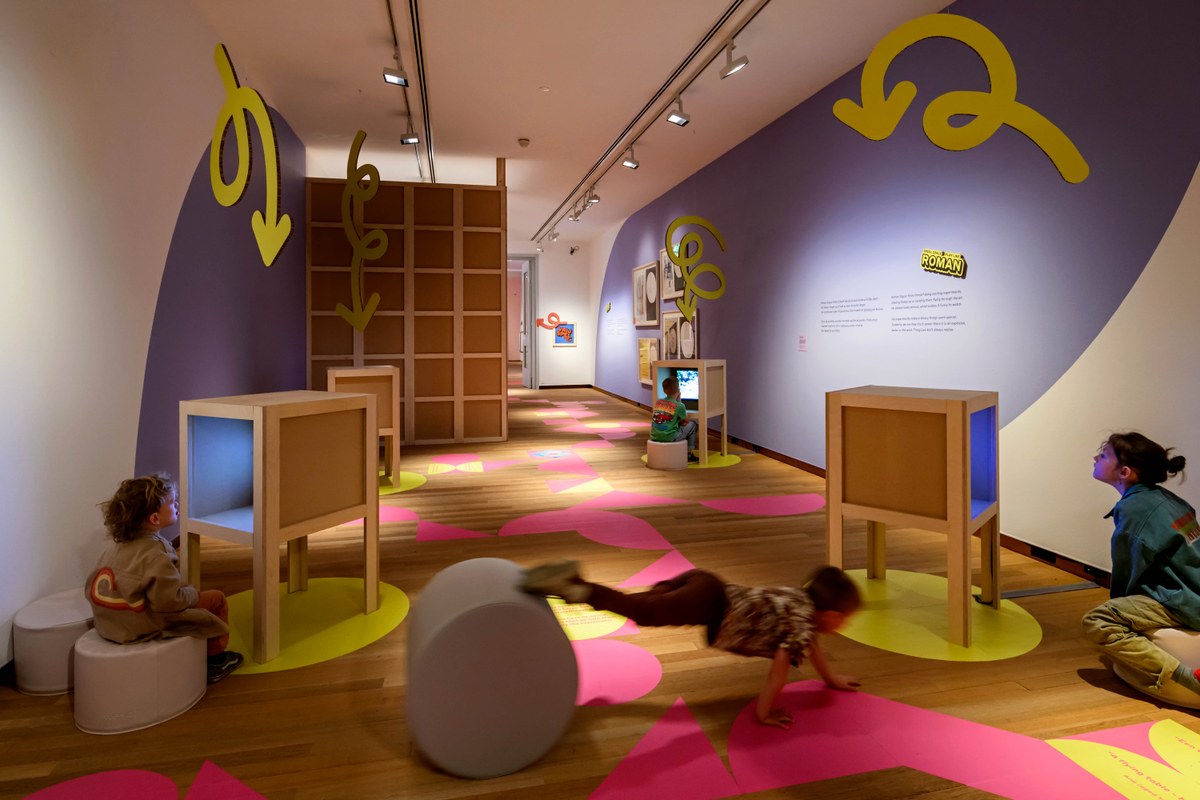
photo by Mike Bink
Made possible by the Province of Limburg, the Ministry of OCW, VriendenLoterij and Mondriaan Fund.